Hot Dog Mom Embroidery Design Review
As a designer who spends more time looking at stitch density and thread tension than I do sleeping, I approach every new digital asset with a healthy dose of skepticism. The market is flooded with generic clip art that looks great on a screen but falls apart under the needle. That is why I take the time to evaluate designs like Hot Dog Mom from the perspective of practical application. This isn’t just about whether it looks cute; it is about whether it translates into a high-quality, sellable finished product that withstands wear, washing, and real-world use.
The concept itself is straightforward: a playful nod to one of America’s favorite comfort foods. But in the world of embroidery, simplicity is a double-edged sword. It can be charmingly clean, or it can look flat and uninteresting if the execution lacks personality. When I first laid eyes on this graphic, my immediate reaction was focused on its potential for personalization and brand consistency. For the craft business owner or the Etsy seller looking to expand their catalog, understanding the visual weight and thematic appeal of a design is crucial before committing to production.
First Impressions and Visual Personality
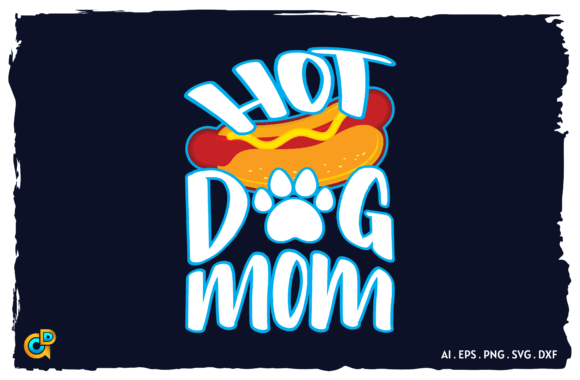
The mood created by Hot Dog Mom is undeniably lighthearted and approachable. It taps into the "foodie mom" aesthetic that has gained significant traction on social media platforms. It feels less like a formal statement and more like a conversation starter. From a design standpoint, the layout suggests a balance between text and imagery that works well for central chest placements or smaller accent areas. The visual personality is warm, humorous, and slightly retro, which gives it versatility across different demographics.
However, a pretty picture on a monitor does not guarantee a successful machine embroidery design. The true test lies in how the shapes break down into stitches. Does the design rely too heavily on fine details that might get lost? Is the negative space balanced? In the case of this specific graphic, the strong lines and clear focal points suggest it will hold up well during digitizing. It avoids the common pitfall of being overly intricate, which often leads to thread breaks and bulky stitching on delicate fabrics.
Real-World Application Scenarios
To truly understand the value of this design, we have to imagine it in action. Let’s say you are preparing inventory for an upcoming holiday season. You need items that feel personal yet universally appealing. Hot Dog Mom fits seamlessly into several categories:
- Custom Apparel: Imagine this embroidered on a soft, heather gray crewneck sweatshirt. The contrast between the textured fabric and the smooth satin stitch outlines would create a premium feel. It is perfect for summer BBQs or casual family gatherings.
- Kitchen Essentials: A tea towel or apron featuring this design adds a touch of humor to the kitchen. Because food-themed designs resonate so strongly with home cooks, this could become a staple item in your small shop product line.
- Baby and Nursery Items: While the phrase might be aimed at adults, the whimsical nature of the graphic makes it suitable for baby onesies or burp cloths. Parents love buying matching sets, and this design offers a fun way to coordinate family outfits.
- Personalized Gifts: Combine this graphic with custom names or dates on a tote bag design. It transforms a simple canvas bag into a thoughtful, customized gift for birthdays, Mother’s Day, or bridal showers.
In each of these scenarios, the design serves as a anchor. It doesn’t overpower the garment; instead, it complements the material and enhances the overall aesthetic. For the digital product seller, this versatility means you can create multiple printable mockups showcasing the design on different products, increasing your chances of conversion.
Technical Considerations and Potential Pitfalls
Even the best designs require careful handling. There are specific situations where Hot Dog Mom might present challenges. First, consider the hoop size. If you are attempting to stitch this on a curved surface like a cap or a hat, the curvature can distort the lettering or the main graphic elements. It is essential to use a proper stabilizer to prevent puckering, especially on stretchy knits.
Another critical factor is thread color contrast. On dark fabrics, lighter threads may require an underlay stitch to ensure opacity. Conversely, using dark threads on black fabric without proper backing can result in a muddy, indistinct image. Always test your thread colors against your actual fabric swatches before running large batches.
Furthermore, pay attention to the stitch density. If the original file contains dense fill stitches in small areas, it might become too stiff for comfortable wear, particularly on baby clothes or lightweight t-shirts. In such cases, opting for an applique design variation or reducing the density during customization can improve the drape and comfort of the final piece.
Designer’s Checklist for Success
Before you upload this to your store or start stitching for clients, run through this practical checklist. It separates the professional results from the amateur attempts:
- Scrap Fabric Test: Never trust a digital preview alone. Stitch the design on the exact fabric type you plan to use. Check how the fabric texture interacts with the thread.
- Black and White Mockup: Convert your design to grayscale to check for contrast issues. If the elements blend together, the final embroidery may lack definition.
- Stabilizer Selection: Choose the right stabilizer for your project. Cut-away for stretchy fabrics, tear-away for stable wovens. The wrong choice can ruin even the best embroidery file.
- Licensing Verification: As noted in the source information, this comes from a provider focusing on quality graphics. However, you must confirm the specific license terms. Are you allowed to sell finished items? Can you use it in commercial embroidery projects? Clear licensing protects your brand consistency and legal standing.
- Detail Inspection: Zoom in on the smallest letters and curves. Are they legible? Will they fray after repeated washing? Adjusting the satin stitch width or adding a running stitch outline can enhance durability.
Final Verdict on Value and Appeal
Ultimately, Hot Dog Mom is a strong contender for any crafter or designer looking to add a touch of humor and warmth to their collection. Its strength lies in its relatability and adaptability. It is not trying to be high fashion; it is trying to be fun, functional, and friendly. For the creative entrepreneur, this means higher customer engagement and repeat purchases.
When executed correctly—with attention to thread colors, proper stabilization, and appropriate placement—this design elevates a simple handmade product into something special. It signals to the buyer that care was taken in the creation process. Whether you are decorating a tote bag design for a local craft fair or listing a custom apparel option on your website, Hot Dog Mom offers a reliable foundation for success.
Remember, the goal of any embroidery project is to create something that brings joy to the wearer. This design achieves that through its playful theme and clean execution. By following the technical guidelines outlined above, you can ensure that your finished product matches the quality of the digital asset, building trust with your customers and establishing your reputation as a detail-oriented maker.
For those in the graphics and crafts community, investing time in evaluating designs like this pays off. It saves money on wasted materials and reduces the frustration of reworking failed stitches. So, load up your hoop, select your best threads, and see how Hot Dog Mom performs in your own studio. You might just find it becomes a bestseller in your design assets portfolio.