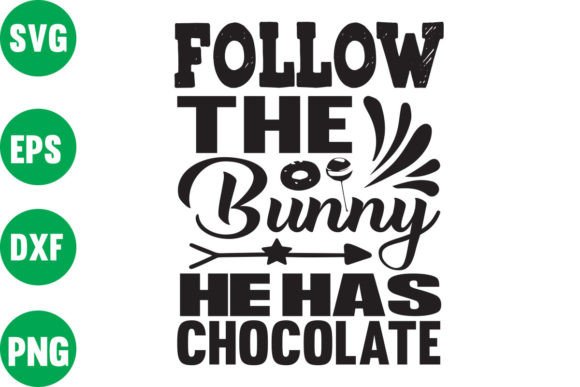
Follow the Bunny, He Has Chocolate
As an embroidery designer who spends more time judging stitch density than drinking coffee, I approach every new digital asset with a mix of hope and skepticism. The market is flooded with generic clip art masquerading as professional design files. That is why I took Follow the Bunny, He Has Chocolate out for a spin before committing it to any client work or personal project. This isn’t just about whether it looks cute on a screen; it is about how it translates into thread, fabric, and finished product value.
This file falls squarely into the Crafts and Graphics categories, specifically marketed as an SVG for cutting machines like Cricut Explore or Silhouette Designer Edition. However, its visual language screams potential for broader application. Whether you are an Etsy seller looking for high-conversion listings, a small business owner creating boutique merchandise, or a hobbyist making personalized gifts, understanding the practical execution of this design is crucial. Here is my honest review from the hoop up.
First Impressions and Visual Personality
The moment you open the file, the mood is immediately established: playful, nostalgic, and undeniably commercial. The phrase "Follow the Bunny, He Has Chocolate" carries a whimsical narrative that resonates strongly with spring themes, Easter celebrations, and general childhood joy. From a design perspective, the layout feels balanced. It does not feel cluttered, which is often the downfall of text-heavy embroidery designs.
What stands out is the visual personality. It is not overly intricate in a way that would require expensive machine time, nor is it so simple that it lacks character. It strikes that elusive middle ground where a design feels handmade but maintains professional clarity. For those of us who create custom apparel or embroidered patches, this balance is everything. It suggests a design that will read well from a distance, a critical factor when displaying items at craft fairs or on social media feeds.
Real-World Application: Where Does It Shine?
I tested the concept of this design against several common handmade product scenarios. The first and most obvious use case is tote bag design applications. There is something inherently charming about seeing a bunny motif on a canvas tote. It feels like a gift you would give to a child or a friend who appreciates lighthearted humor. The design’s proportions seem ideal for placement on the front center of a canvas bag or perhaps centered on a smaller zippered pouch.
Another strong contender for this file is sweatshirt embroidery. As seasons change, designers look for transitional pieces. A soft gray or pastel hoodie featuring this design could easily become a bestseller in the holiday embroidery niche, particularly if marketed around Easter or spring break. The theme allows for flexibility in color palettes, meaning you can adapt the thread colors to match current fashion trends without changing the core design.
For the Etsy seller or digital product seller, this design offers versatility. While the primary file provided is an SVG, the visual composition lends itself beautifully to printable mockups. You can place the graphic on mugs, kitchen towels, and cards with ease. If you are expanding into commercial embroidery, the clean lines suggest it would translate well to applique design techniques, allowing for vibrant color blocking that pops against neutral fabrics.
Technical Considerations and Stitch Execution
When evaluating any embroidery file, we must talk about stitch density and detail level. Since this is primarily an SVG cut file, its success in embroidery depends entirely on how you digitize or interpret it. If you are using it as a reference for manual stitching or converting it via software, pay close attention to the lettering. Text elements are often where designs fail because they become too dense or lose legibility.
I recommend reviewing the stitch density carefully. If the text is filled rather than outlined, ensure your machine settings can handle the load without puckering the fabric. For baby embroidery projects, such as onesies or bibs, lighter stitch counts are preferable to maintain softness. A heavy satin stitch background might make a baby garment too stiff. Instead, consider using a combination of running stitch for outlines and minimal fill stitch for the bunny shape to keep the hand-feel gentle.
Thread selection is another critical component. The contrast between your thread colors and the base fabric will determine the final aesthetic. On light fabrics, darker threads will provide sharp definition, while on dark fabrics, you may need underlay stitches or specific stabilizer choices to ensure the design doesn't get lost. Always test your thread colors on scrap fabric that matches the texture of your final material. Fabric texture can drastically alter how light hits the stitches, changing the perceived color and depth.
Where to Use With Caution
No design is perfect for every surface. While Follow the Bunny, He Has Chocolate has broad appeal, there are specific scenarios where it requires careful handling. Avoid placing this design on highly textured fabrics like bouclé or thick wool without significant preparation. The uneven surface can cause needle deflection, leading to misaligned stitches and a sloppy finish.
Similarly, be cautious with stretchy fabrics unless you are using a proper tear-away or cut-away stabilizer. Without adequate support, the tension of the thread can distort the knit, causing the design to pucker after washing. Curved surfaces, such as caps or hats, also present challenges. While the design might fit a flat cap panel, complex curves may require resizing or repositioning to avoid distortion at the edges.
Small hoop sizes are another limitation. If you attempt to cram this entire design into a tiny hoop, you risk losing the fine details of the text or the bunny's features. Ensure your hoop size accommodates the full dimensions of the artwork with a comfortable margin for hooping stability. Trying to force a large design into a small space often results in a cramped, unprofessional look that undermines the quality of your finished product.
Final Verdict for Designers and Sellers
Overall, Follow the Bunny, He Has Chocolate is a solid addition to any designer’s library. It captures a timeless theme with a modern twist, making it relevant for both personal gifting and commercial ventures. Its strength lies in its simplicity and emotional resonance. It invites interaction and brings a smile, which is exactly what buyers look for in personalized gifts and small shop products.
Before incorporating this into your workflow, remember to check the licensing terms. Confirm whether you have permission to sell finished physical goods made from this design, especially if you are operating a craft business at scale. Additionally, always run a test stitch-out. Inspect the corners, check the alignment of the text, and verify that the stabilizer removal leaves a clean back. These small steps protect your reputation and ensure that every item leaving your studio meets the highest standards of embroidery project excellence.
In conclusion, this design is more than just a cute bunny; it is a versatile tool for creative entrepreneurs. Whether you are decorating kitchen towels, creating nursery decor, or launching a new line of apparel decorators merchandise, this file offers reliable performance and broad appeal. Treat it with the technical respect it deserves, and it will reward you with beautiful, market-ready creations.